After exploring several other parts of the New Forest, I returned for another full day of shorter walks. Boldre was one of three routes planned for the day, alongside walks around Beaulieu to Buckler’s Hard and Sway. Unlike some of my previous New Forest explorations, this route stayed inland, away from the more open landscapes and coastal views, instead focusing on a mixture of farmland, woodland tracks and quiet lanes.
At around 6.25 kilometres, it was a relatively short route, but it offered enough variety to make it an interesting exploration. While it lacked the more dramatic scenery found on some walks, there were still a couple of memorable discoveries along the way.
Route Discovery
Boldre was chosen as an opportunity to explore a quieter side of the New Forest. Rather than the more open heathland or coastal landscapes found elsewhere, this route focused on the countryside surrounding the village, combining farmland, woodland and rural tracks.
Roydon Woods was the main feature that initially caught my attention. The nature reserve offered the chance to explore a more enclosed woodland environment, and it ultimately became the most memorable part of the route.
Preparation & Route Planning
Preparation for the walk was straightforward. The QR code in the guidebook linked directly to the published route within OS Maps, removing the need to manually create or transfer a GPX file. The guidebook provided useful background information, while OS Maps acted as the main navigation reference during the walk.
The route covered approximately 6.25 kilometres with around 55 metres of ascent. The guidebook suggested allowing two hours, while I completed the walk in around an hour and a half. I generally walk at a fairly brisk pace, so the published time would be a sensible allowance for anyone taking a more relaxed approach or stopping regularly to enjoy the surroundings.
Trail Notes
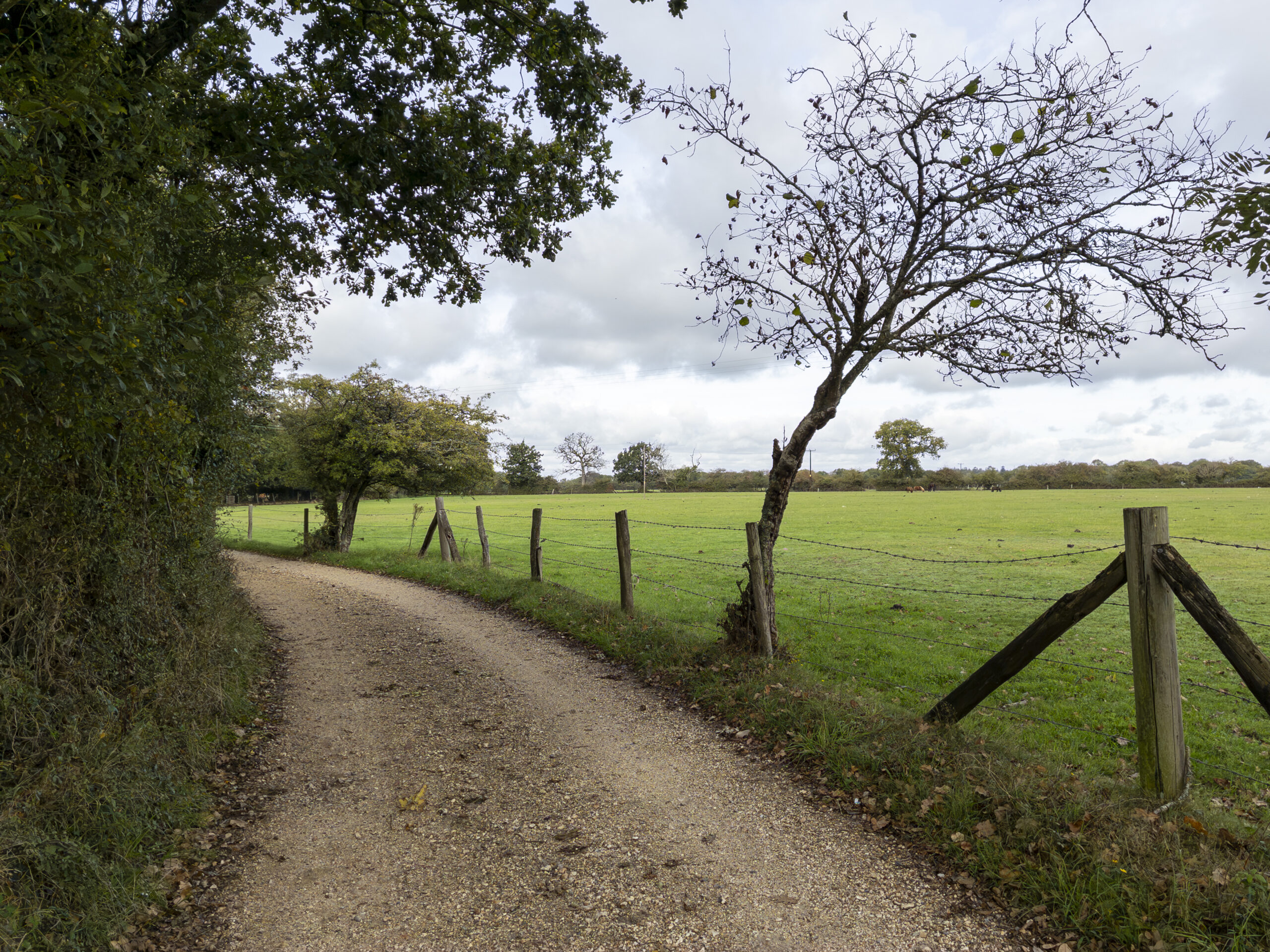
The walk began from the Church of St John the Baptist, where parking was available before setting off on the circular route. Leaving the car park, the first section followed a narrow footpath between areas of farmland before joining a wider gravel bridleway. This continued for around a kilometre, with the compacted surface making for easy progress and providing a gradual transition away from the open farmland towards the more enclosed landscape ahead.
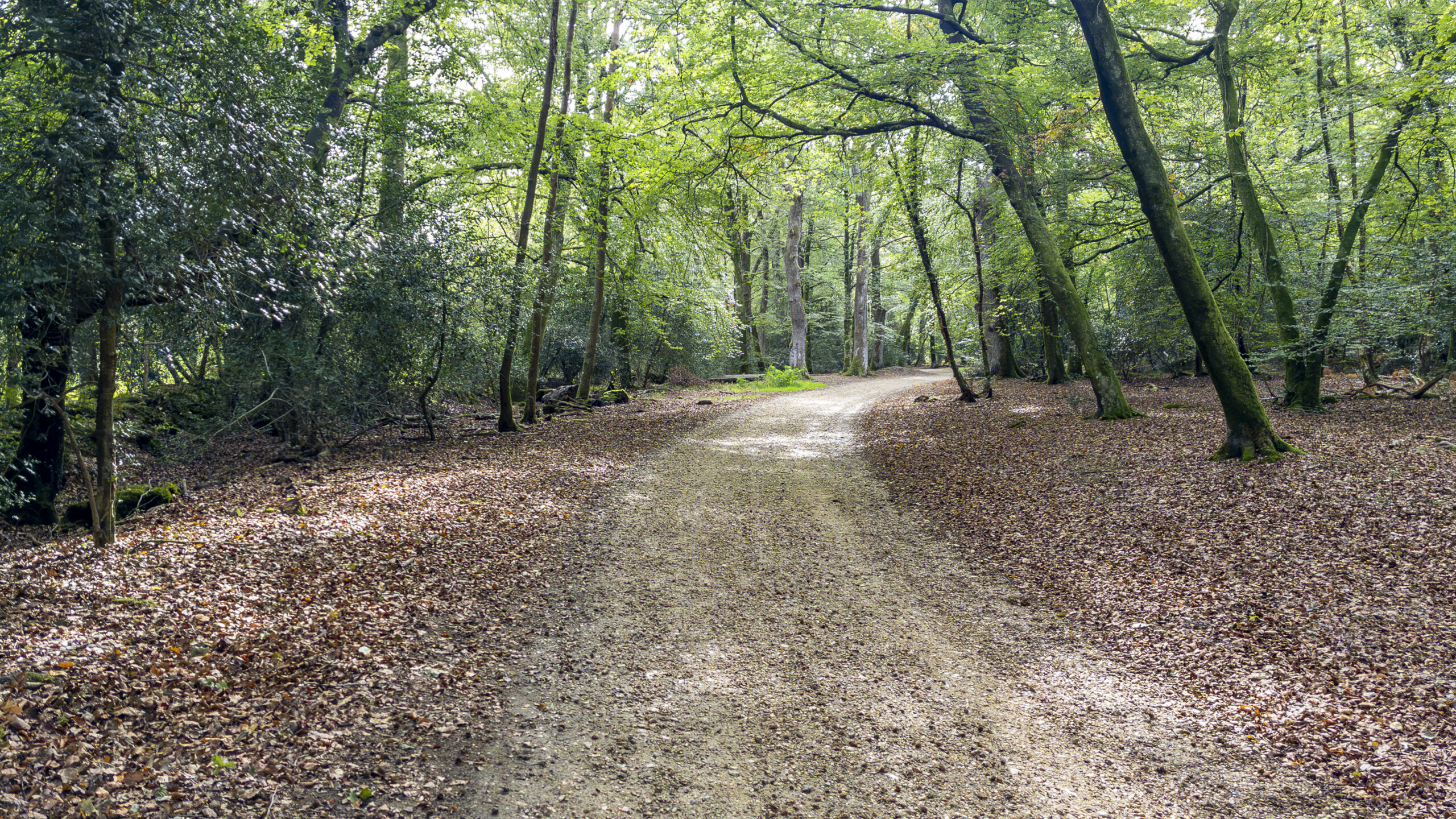
Entering Roydon Woods marked the first major change in character. The wider track gave way to narrower woodland paths winding between mature trees, with beech appearing to be particularly common throughout the section. Although familiar in character with other New Forest woodland, there were several attractive stretches that made it worth slowing down and taking in the surroundings.
It was while exploring this section that I noticed one of the more unusual details of the walk — a large Giant Polypore growing at the base of what appeared to be a mature beech tree
🌿Field Note - Giant Polypore
Species: Giant Polypore (Meripilus giganteus)
About
One of the larger fungi found in British woodlands, Giant Polypore produces clusters of overlapping, fan-shaped brackets that often appear around the base of mature broadleaf trees, particularly beech. The visible fungus is only the fruiting body, with the wider organism extending through the surrounding soil and within the tree’s root system. Its presence highlights the constant cycle of growth, decay and renewal taking place within mature woodland.
Why it caught my attention
Its size made it impossible to miss, but it was also a reminder that some of the most interesting discoveries on a walk are often the smaller details that appear when you slow down and look around.
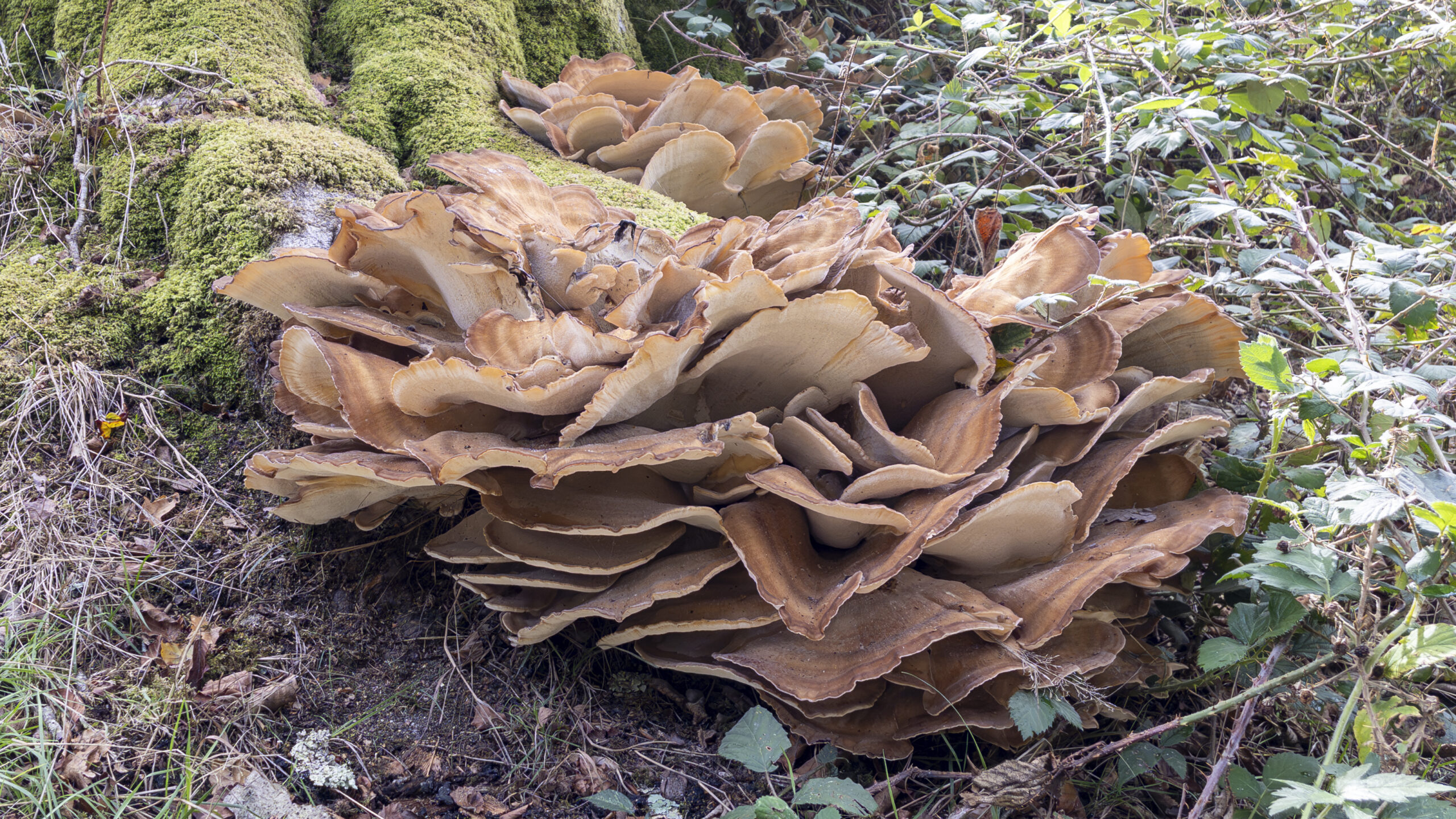
Giant Polypore (Meripilus giganteus) growing at the base of a mature tree in Roydon Woods.
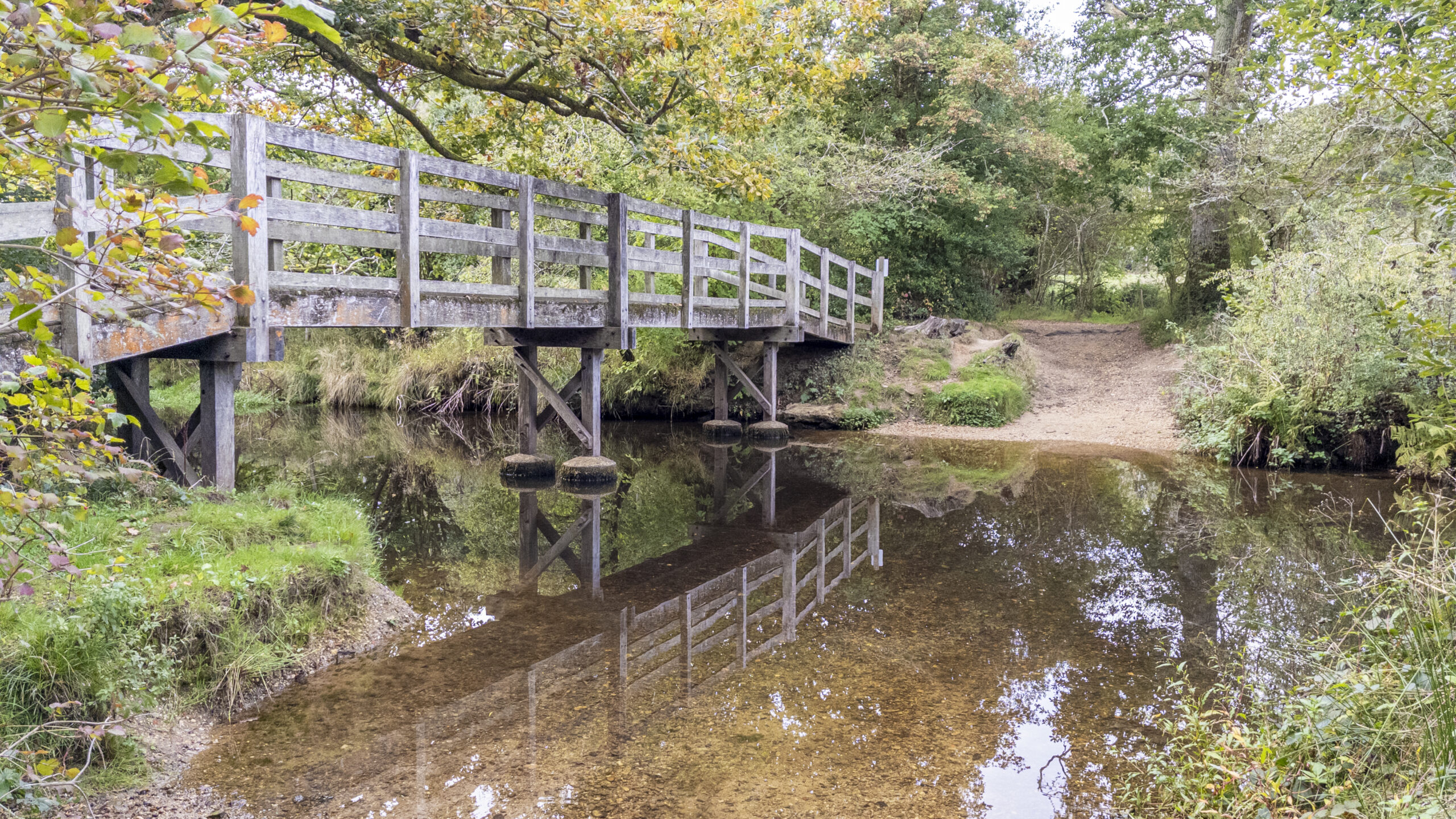
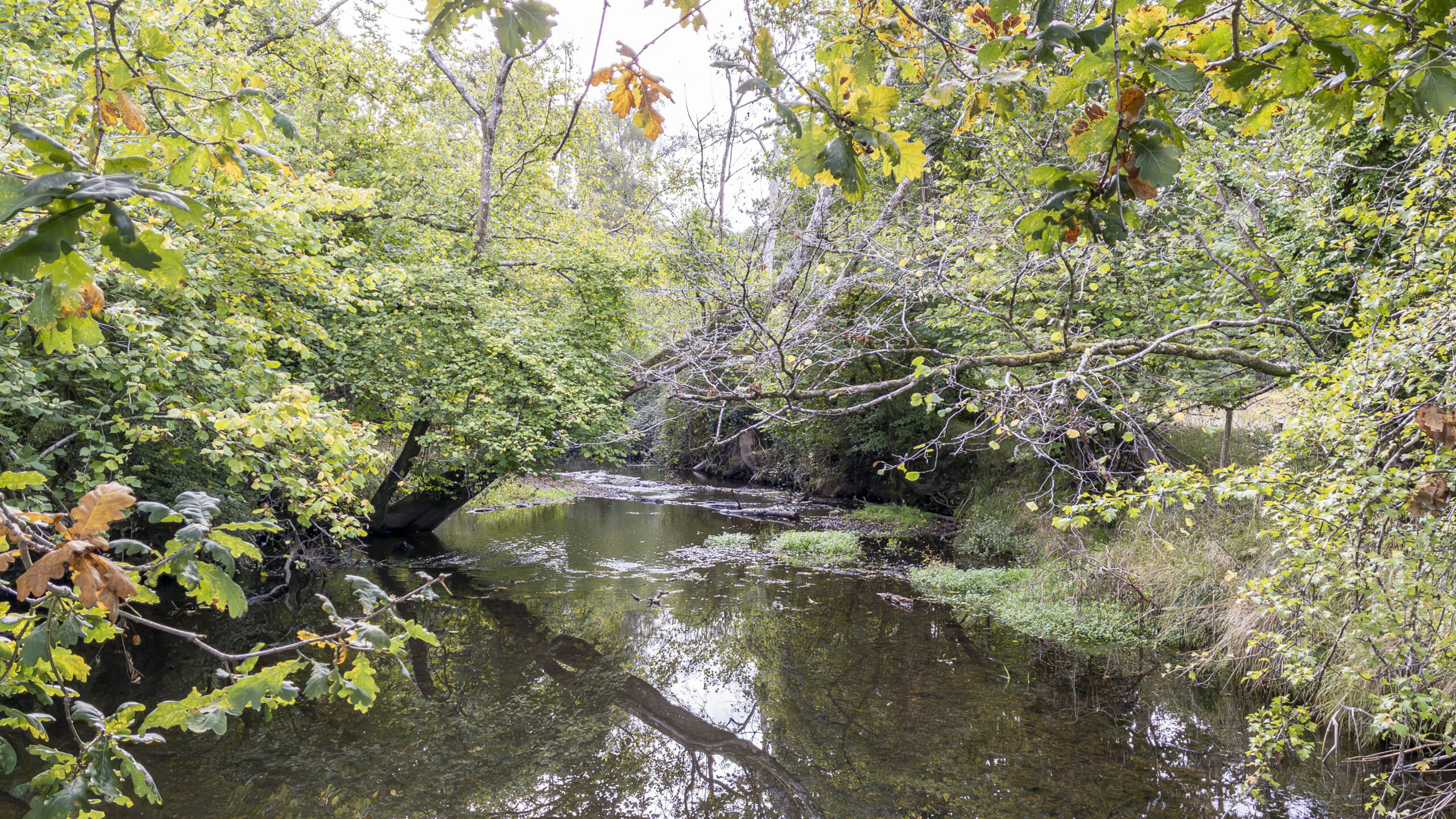
Continuing through the woodland, the route eventually descended towards a ford at Calveslease Copse, where a wooden footbridge provided the crossing point. The water was flowing gently through the ford, but it was still deep enough that crossing on foot would not have been practical. The combination of the woodland surroundings, clear water and wooden structure created one of the most memorable scenes of the walk and provided one of the best photographic opportunities.
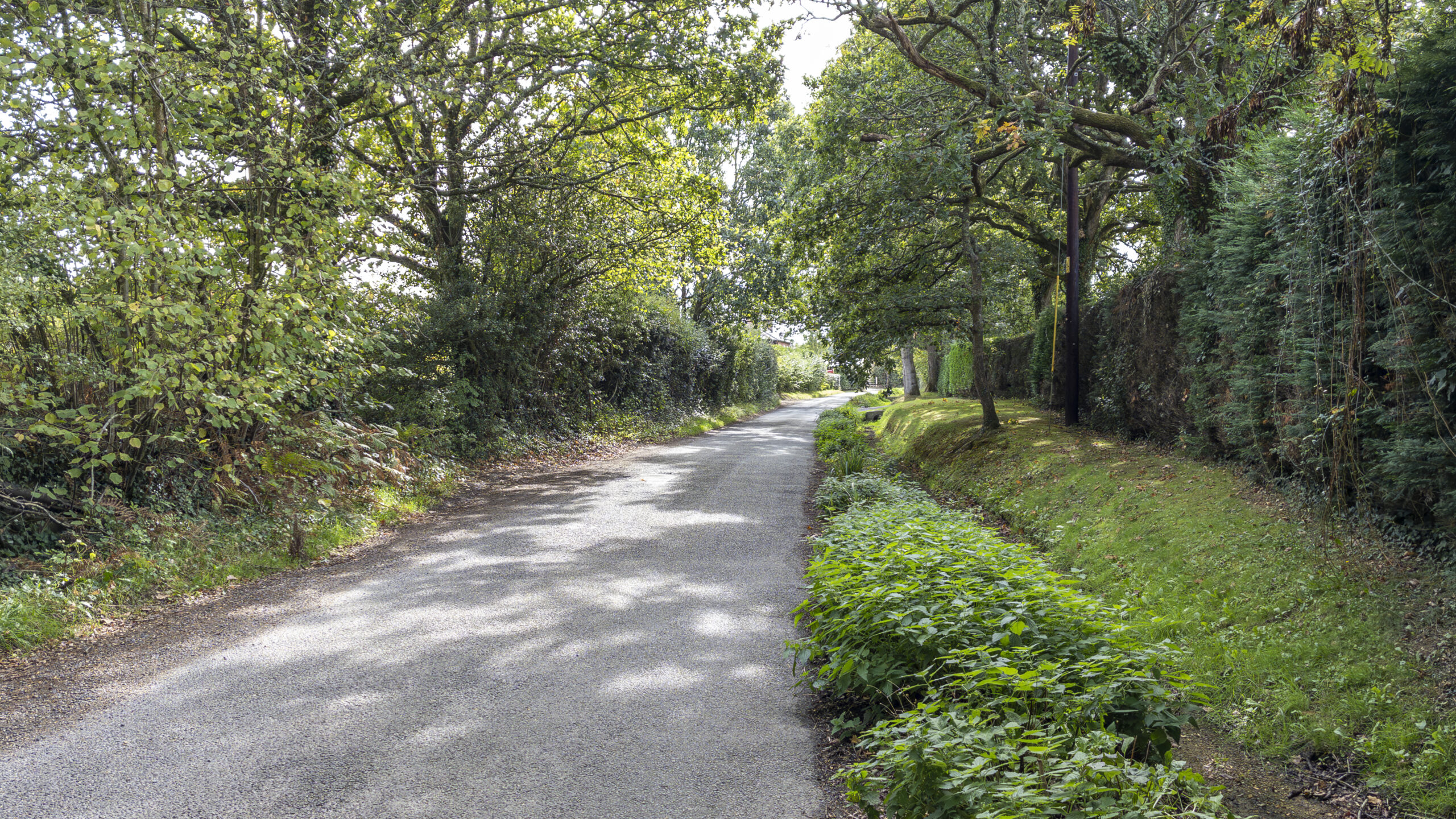
Beyond the ford, the route gradually opened out again, moving from woodland tracks onto wider paths before eventually joining quiet country lanes towards Boldre. This section changed the rhythm of the walk, with around two kilometres of lane walking connecting the woodland sections.
Boldre itself provided a pleasant stopping point, with the village pub offering a potential opportunity for refreshments before continuing the route. After crossing the watercourse again, the route moved onto another lane before eventually leaving the road and entering the final woodland section.
The final part of the walk had a slightly different feel, with a noticeable climb as the path worked its way back towards the church. Although relatively short, this was the most obvious ascent of the route and provided some welcome variation after the flatter tracks and lanes earlier in the walk. The path eventually returned to the Church of St John the Baptist, completing the circular route.
Skills & Takeaways
The main takeaway from this walk was how much the balance of terrain influences the character of a route. The woodland sections, particularly around Roydon Woods, provided the strongest parts of the walk, while the lane walking towards Boldre felt more like a connection between the more interesting sections.
Looking back at the route afterwards, there appear to be opportunities to shorten some of the lane sections and create a more woodland-focused walk. The route also reinforced the value of taking time to look around, as the Giant Polypore discovery was not a planned feature but became one of the most memorable parts of the exploration.
Route Verdict
Boldre was an enjoyable walk, if a little unremarkable. It offered a pleasant mixture of woodland, farmland and quiet countryside, with Roydon Woods providing the strongest section of the route. The footbridge crossing at Calveslease Copse and the discovery of the Giant Polypore were the moments that gave the walk its character.
The longer stretches of lane walking were the weakest part, although they did provide the opportunity to visit Boldre itself. I would recommend the route to someone looking for a shorter New Forest walk with a mixture of environments, and I would happily walk it again, although I would probably look at ways to reduce some of the lane sections and spend more time exploring the woodland.
Overall, Boldre was not a walk defined by dramatic scenery, but by quieter moments — the woodland paths, the gentle ford crossing and the small discoveries that made the route memorable.
0 Comments