Route Discovery
This walk was the final route I had left to complete from the OS Short Walks Made Easy Chilterns guidebook, which gave it a little more significance than it might otherwise have had. Goring is very local to me and somewhere I know well, so this was never going to feel like a journey into completely unfamiliar territory. I had walked a few sections of the route before, particularly along the Thames Path, but I had never completed this exact circuit.
That was really the appeal. Rather than heading out in search of somewhere new, I wanted to see how the guidebook stitched together parts of the area I already knew. It also worked well as an early-evening walk: close to home, straightforward, and a good excuse to spend a bit of time outside while finally ticking off the last route in the Chilterns guidebook.
Preparation & Route Planning
There was very little preparation needed for this one. I was already familiar with much of the area and recognised most of the route from previous walks, so I only gave the guidebook a fairly quick look beforehand.
The guidebook suggests starting from the Catherine Wheel car park in central Goring, but I chose to begin slightly further along at the end of Manor Road. That suited me better given my knowledge of the route and effectively just shifted where I joined the circuit.
I expected a mixture of village lanes, Thames-side paths and grassy or compacted tracks through fields, which proved to be a fair description of the terrain. Navigation equipment was minimal. I had the OS Maps app on my phone as a backup, but I expected to complete the route from memory and never anticipated needing much more than that.
Trail Notes
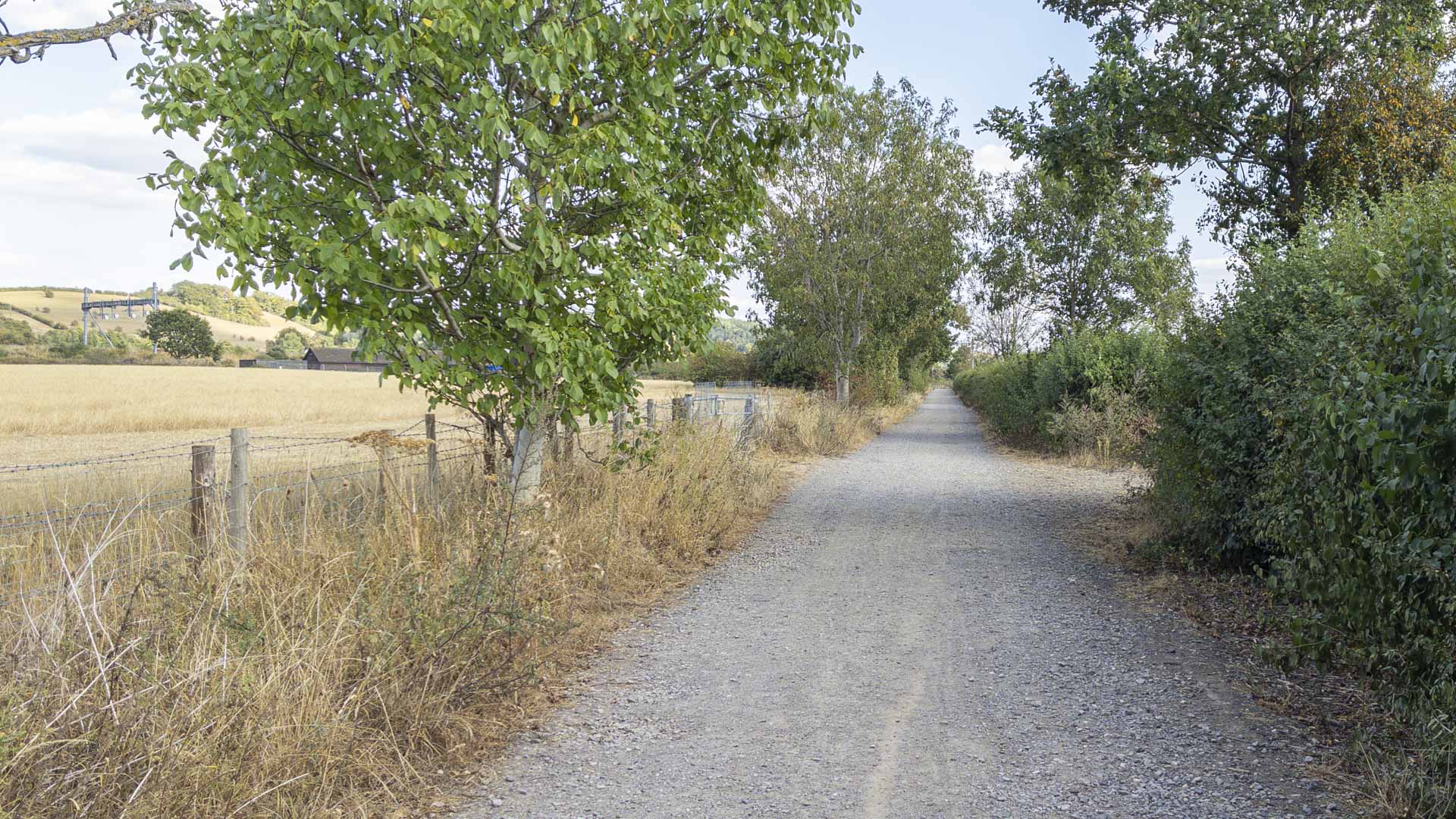
The walk began on Manor Road, a leafy residential lane lined with large properties. After around three quarters of a kilometre on pavement, the road ended and gave way to a wide compacted gravel path leading out into the fields.
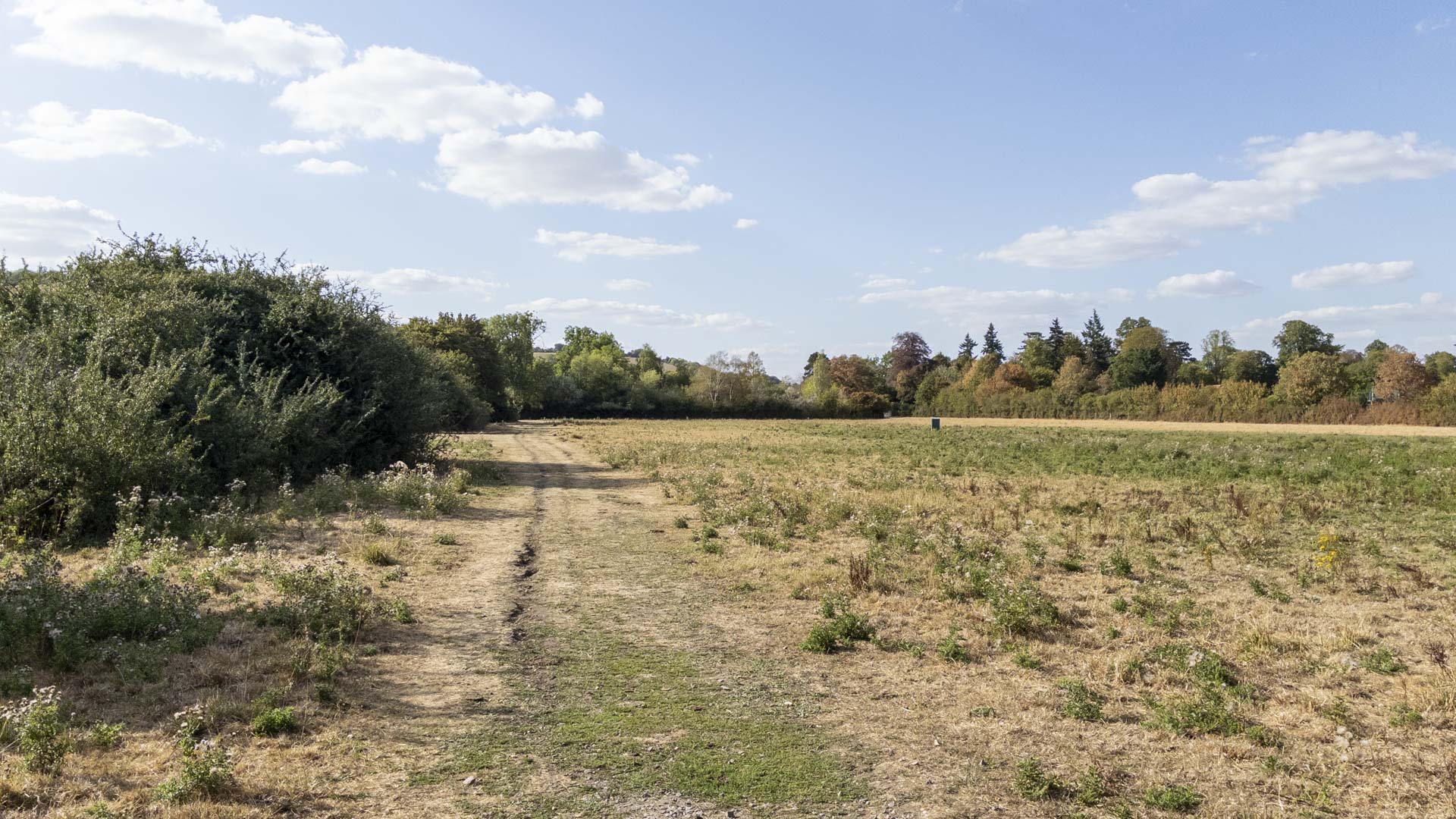
From here the route continued towards the railway, passing underneath it through a short tunnel before heading towards Gatehampton Farm. The landscape through this first half was open and fairly simple, with gravel tracks and field edges making up most of the walking. There were no notable climbs or descents, and the route remained relatively flat throughout.
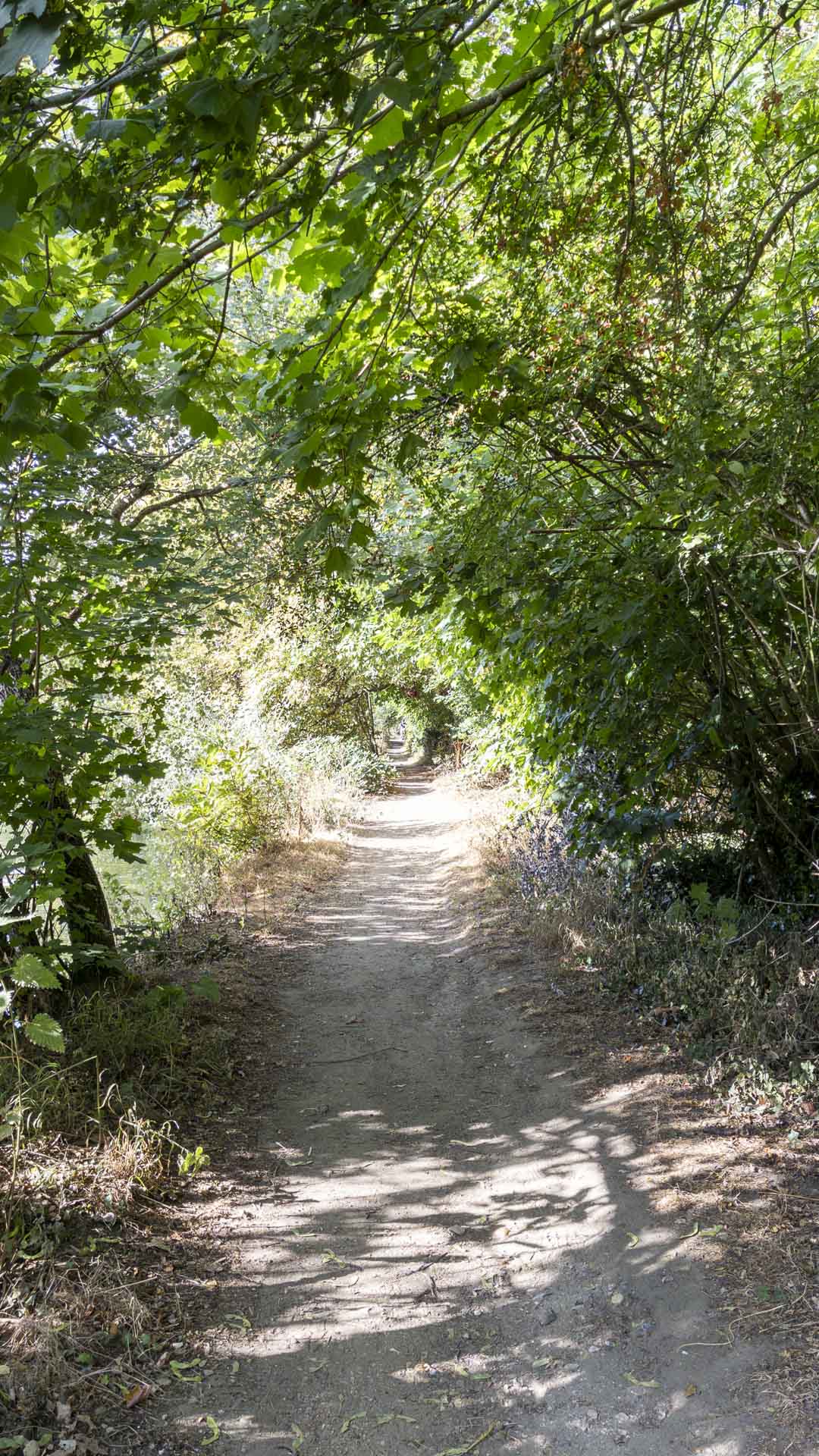
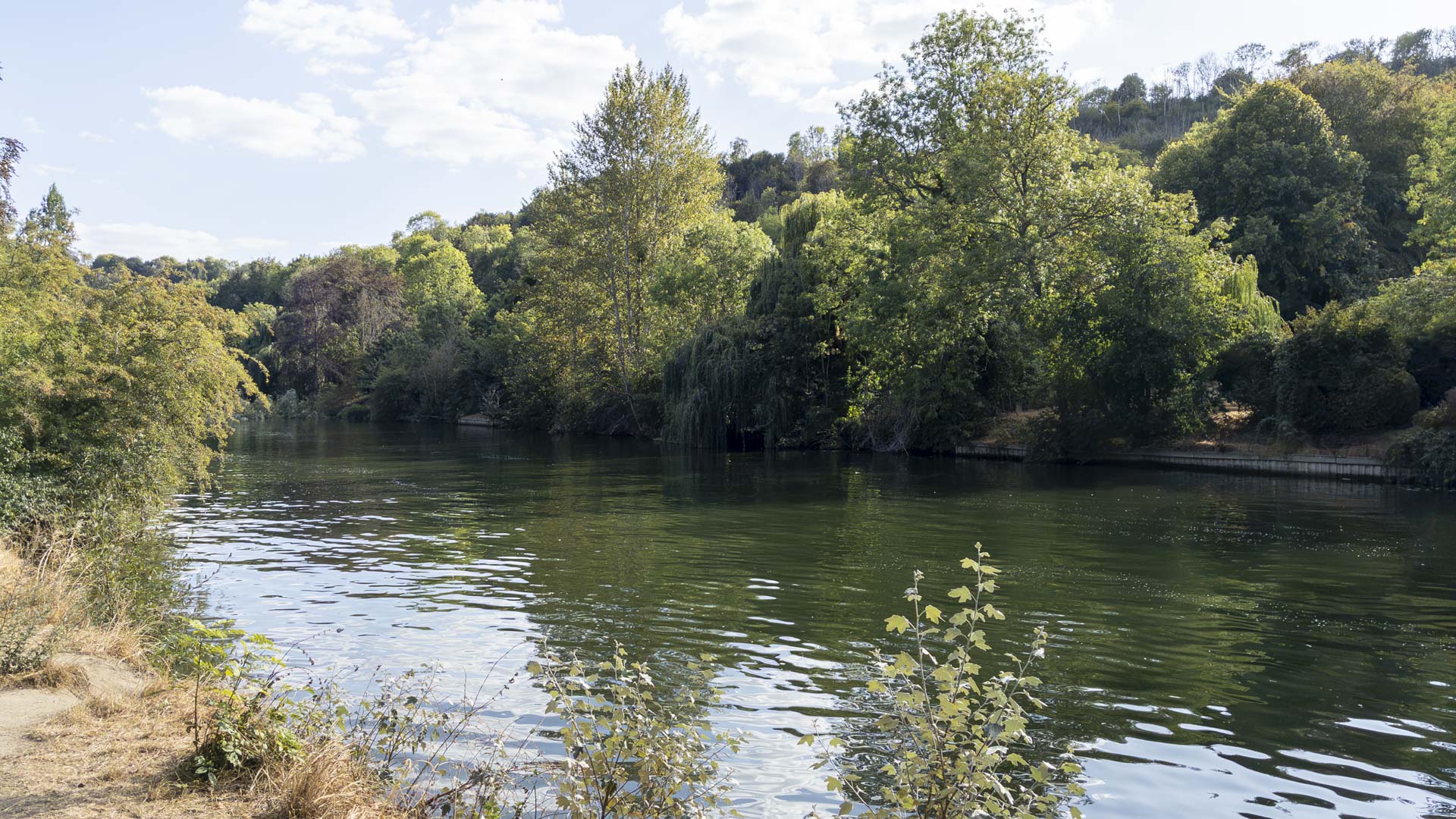
After passing through and looping around Gatehampton Farm, the character of the walk changed as the route joined the Thames Path for the return towards Goring. This section felt more engaging, following the river through open areas before narrowing into paths that threaded along woodland edges.
The river was easily the strongest feature of the route. There were no expansive viewpoints or dramatic landmarks, but the familiar Thames-side scenery gave the second half a clear sense of place. The narrower stretches in particular were enjoyable, with the path meandering close to the water and feeling more enclosed than the field sections earlier on.
The final approach into Goring brings you back towards the village, passing a number of cafés and pubs that make the route easy to combine with lunch or a drink.
Nothing on the walk came as a major surprise, and there was no single standout moment. Having already walked much of the area before, some of the route inevitably felt familiar. Even so, the final Thames-side section was the most enjoyable part and gave the walk a stronger finish than the opening half.
Navigation & Tech in the Field
This was one of those outings where navigation barely played a role. I used the guidebook mainly as a memory aid beforehand, but once walking I was able to complete the route without referring to the book or using an app.
I still carried my phone with OS Maps installed as a backup, but never needed to rely on it. The paths and features matched the mapping as expected, and nothing appeared to be missing or misleading. The only place that deserves a little more attention is around Gatehampton Farm, where the route is slightly less obvious than elsewhere.
Route Verdict
This is a pleasant and accessible circuit close to Goring-on-Thames, and one that would suit a short afternoon outing or a walk after lunch. It is relatively flat, easy to follow and varied enough to keep moving between village lanes, open fields and the river.
The Thames Path is the clear highlight, particularly where it narrows and winds along the woodland edge. The rest of the route is enjoyable without being especially dramatic, and there are no sections that feel excessively long or repetitive.
I would happily recommend it to beginners, families and less-experienced walkers. It should also work at most times of year, although the Thames Path can flood after prolonged periods of rain in autumn and winter, which is worth considering before setting out.
For me, this is less a route I would travel a long way specifically to walk and more the sort of circuit that could become a useful regular local option. Its strongest reason for walking is simple: it provides an easy opportunity to spend some time beside the Thames without needing to commit to a long or demanding day out.
A modest but enjoyable circuit that shows a quieter side of Goring before joining the Thames for the return. Its main strength is its simplicity, making it a useful regular walk rather than a route built around dramatic scenery.
0 Comments