The Lepe walk formed the third part of a full day exploring the New Forest through the OS Short Walks Made Easy guidebook, following on from the earlier routes around Burley and Brockenhurst.
This route promised something a little different, taking me away from the more familiar woodland and heathland landscapes of the New Forest and towards the coast. I enjoy coastal walking, so the opportunity to combine a New Forest walk with a stretch beside the sea immediately appealed. I expected some seafront walking and perhaps a short section along the beach, but the coastal element became far more significant than I had anticipated. In the end, it was this opening section that made the route one of the most memorable walks I have completed from the series so far.
Route Discovery
Having already completed the Burley and Brockenhurst routes earlier in the day, Lepe provided a welcome change of scenery. Rather than another woodland or heathland route, this one offered the chance to experience a different side of the New Forest by heading towards the Solent coastline.
One of the things that interested me most was how the route incorporated the beach itself. The guidebook explains that, where conditions permit, the coastal section can be followed along the shoreline, and I was interested to see how that would work in practice. Having walked plenty of inland routes, this felt like a slightly different type of exploration. The coast was not simply something to look out towards from a viewpoint; it became part of the route itself.
Preparation & Route Planning
Preparation was fairly straightforward. I used the OS map alongside the guidebook to understand the route and get a feel for how the different sections connected together. The main consideration was the coastal section, as this was influenced by the conditions on the day, particularly the tide and whether the beach could safely be followed.
The guidebook also provides an alternative inland option if conditions are unsuitable, using the nearby lane to bypass the beach section. The published walking time of around two and a half hours fitted comfortably into the remaining daylight, so there was no need to rush the route and plenty of opportunity to enjoy the surroundings.
Trail Notes
The walk begins close to the seafront and, after leaving the car park, only a very short section of pavement separates the start from the beach itself. From there, the route heads west directly along the shoreline. The first section immediately feels different from the other New Forest walks I had completed. Rather than a clear footpath through woodland or fields, the route follows the shingle beach itself, with wooden groynes extending out towards the water at regular intervals.
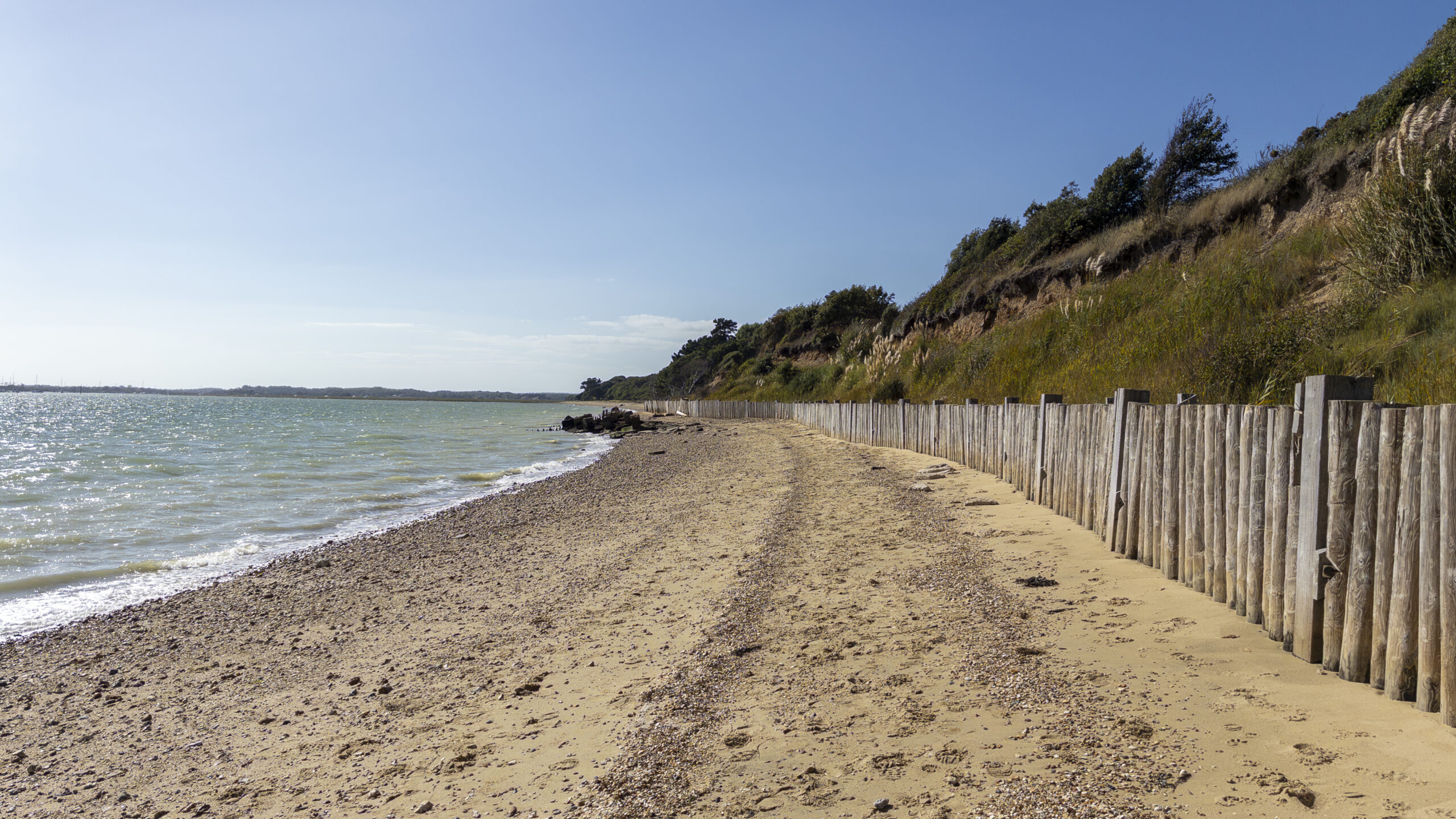
The surface makes progress slower than a firm path, and picking a way across the shingle and sand requires a little more effort. It is not difficult, but it does change the rhythm of the walk. As the route continues, the surroundings become quieter and more open. The beach takes on a more natural feel, with fewer signs of development and very few people around, creating a sense of being somewhere slightly wild without ever feeling truly remote.
This section is also where the tide becomes an important consideration. Signs along the route highlight that parts of the beach can become cut off, so checking tide times before setting out is a sensible part of planning this walk. If conditions are unsuitable, the alternative route described in the guidebook provides another option.
Looking out across the water, with views towards the Isle of Wight, there is still a clear connection to the wider landscape beyond the shoreline. One of the most interesting transitions comes as trees begin to appear close to the beach. Small English oak trees and woodland sit alongside the coast, creating an unusual combination of forest and shoreline that gives the area a character quite different from a traditional beach walk.
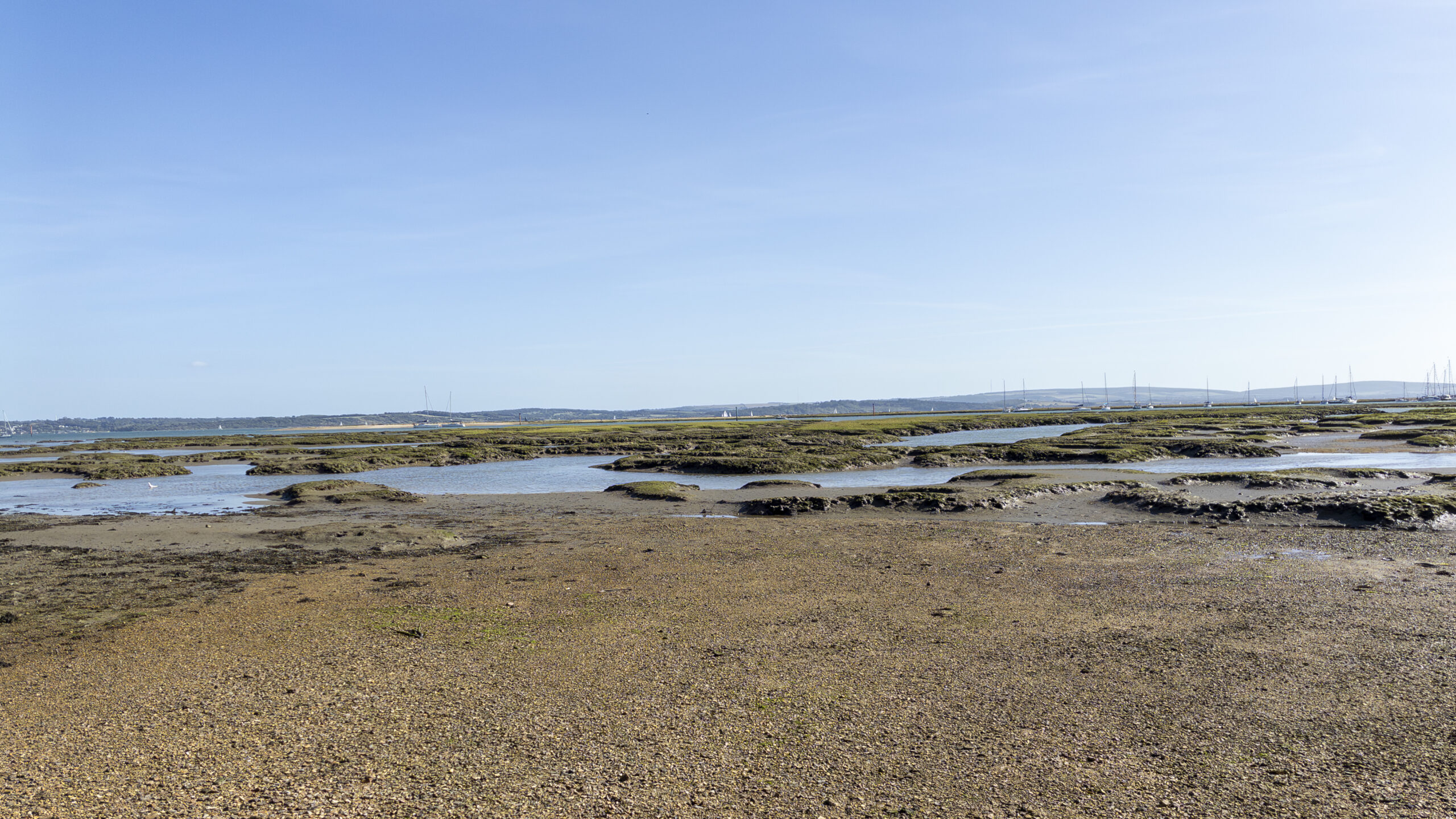
As the route curves towards the Beaulieu River estuary, the landscape opens out further, with the coastline blending into a broader area of marshland and open ground. Eventually, the coastal section comes to an end and the route briefly joins a small lane before turning inland. The change in scenery is quite dramatic, with the open coastal environment quickly replaced by farmland, field edges and smaller areas of woodland.
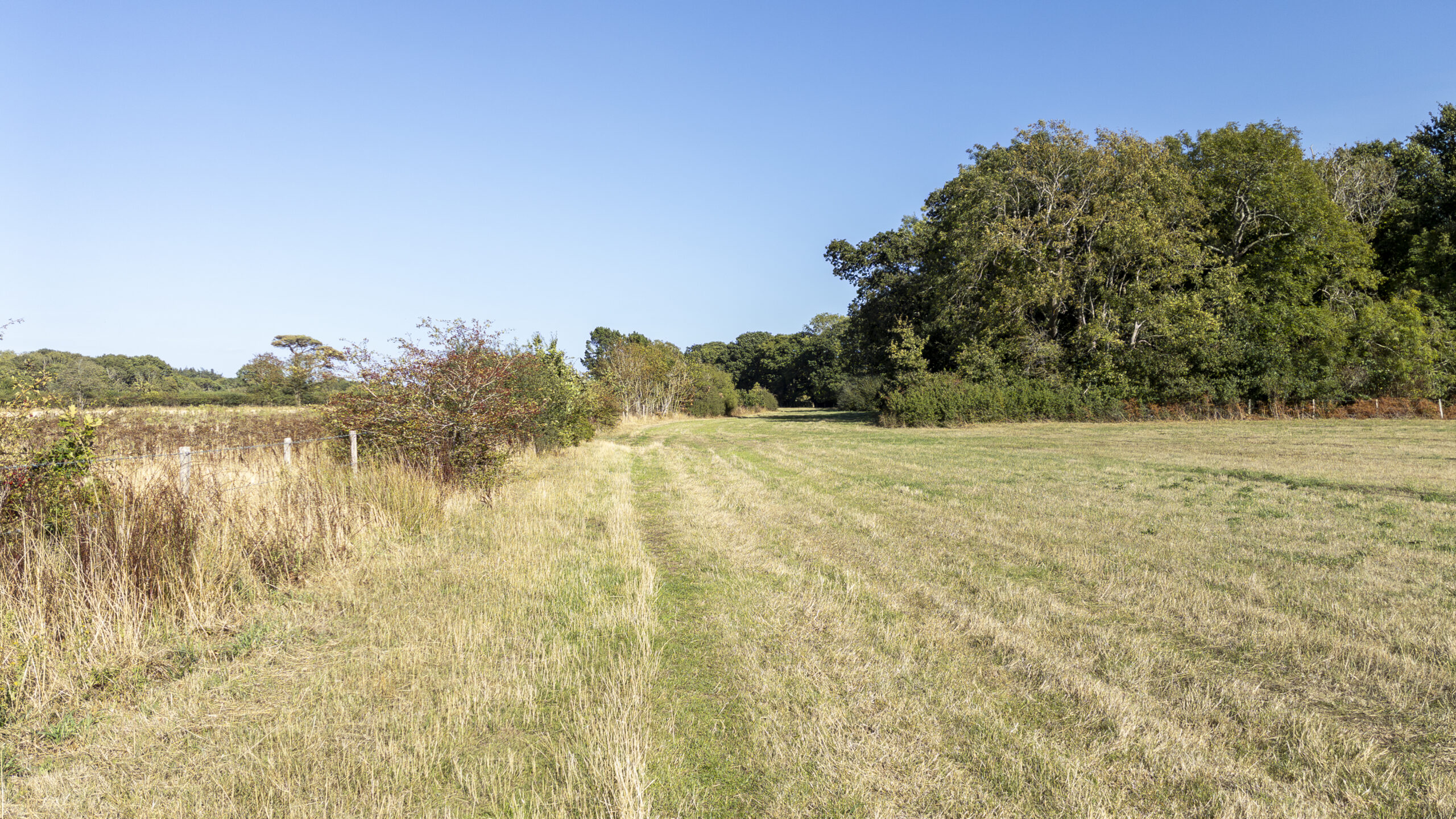
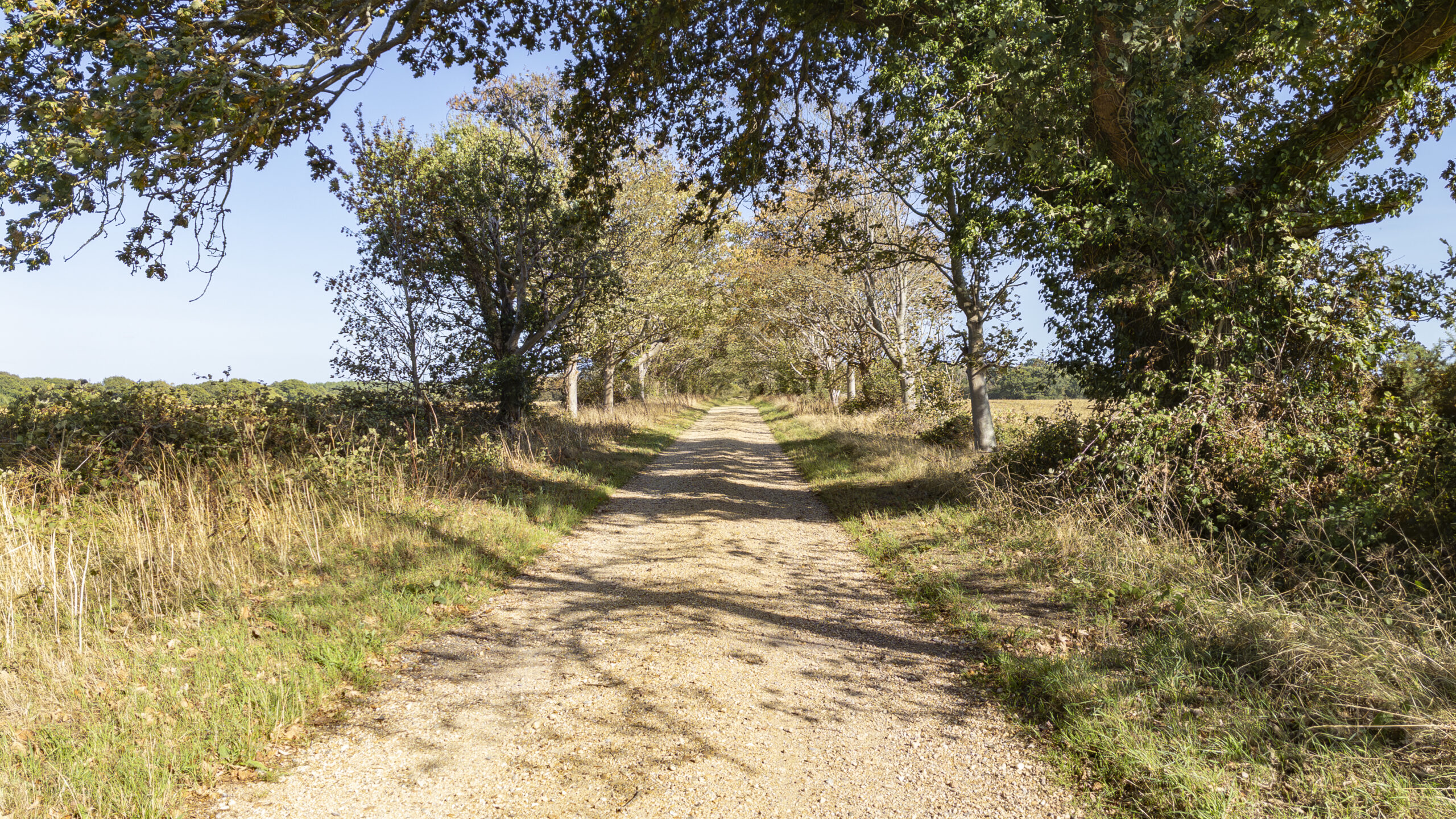
The inland section passes close to East Hill Farm before entering another wooded area and then opening out once again into fields and grassland. Although this part of the route is quieter in character, the contrast works well. The walk gradually makes its way back towards Lepe, eventually returning to the car park.
Overall, the route feels like two distinct walks combined together: a memorable coastal opening followed by a more traditional countryside return.
Navigation & Tech in the Field
Navigation was straightforward throughout the walk, and I followed the published route without any significant issues. The main interest from a navigation perspective was seeing how the beach section worked in practice.
It is easy to think of coastal walking as following a defined path beside the sea, but this route demonstrated that the shoreline itself can sometimes form part of the route. That does introduce different considerations compared with a typical inland walk, with tide times, weather conditions and the terrain underfoot all becoming part of understanding whether the planned route is suitable on the day.
Skills & Takeaways
The biggest takeaway from Lepe was a change in how I think about coastal routes. Before this walk, I would have naturally associated coastal walking with a dedicated coastal path, but this route showed that the beach itself can become part of the journey, creating a very different experience from simply walking alongside the coastline.
It also reinforced the importance of understanding the environment you are walking through. The planning considerations here were not about distance or elevation, but about timing the route correctly and understanding the conditions.
Although the guidebook classes the walk as easy, I would consider it one of the slightly more challenging routes in the series. The difficulty does not come from distance or climbing, but from the effort required to traverse the beach terrain. Sturdy footwear is sensible, and walkers should be comfortable with uneven surfaces and slower progress across shingle.
Route Verdict
Lepe exceeded my expectations. I knew the route would reach the coast, but I had not expected such a memorable section of beach walking. The combination of shingle, wooden groynes, open sea views, woodland close to the shoreline and the approach towards the Beaulieu River estuary gave the opening section a character unlike the other walks I had completed in the series.
The inland return provides a useful contrast. While it is less dramatic than the coastline, the farmland and woodland sections stop the route from feeling repetitive and create a balanced circular walk.
The main things to consider are the beach terrain and the tide. The shingle requires more effort than a normal path, and checking conditions before setting out is important. Beyond that, it is a route that offers a surprisingly varied experience within a relatively short distance.
Of all the OS Short Walks Made Easy: New Forest routes I have completed so far, Lepe is probably the most memorable. It delivered something I was hoping for from the coast, but in a way that was far more enjoyable and distinctive than I expected.
0 Comments